
Propane Tank Sizes Explained: Choosing the Right Tank for Your Cumberland County Home
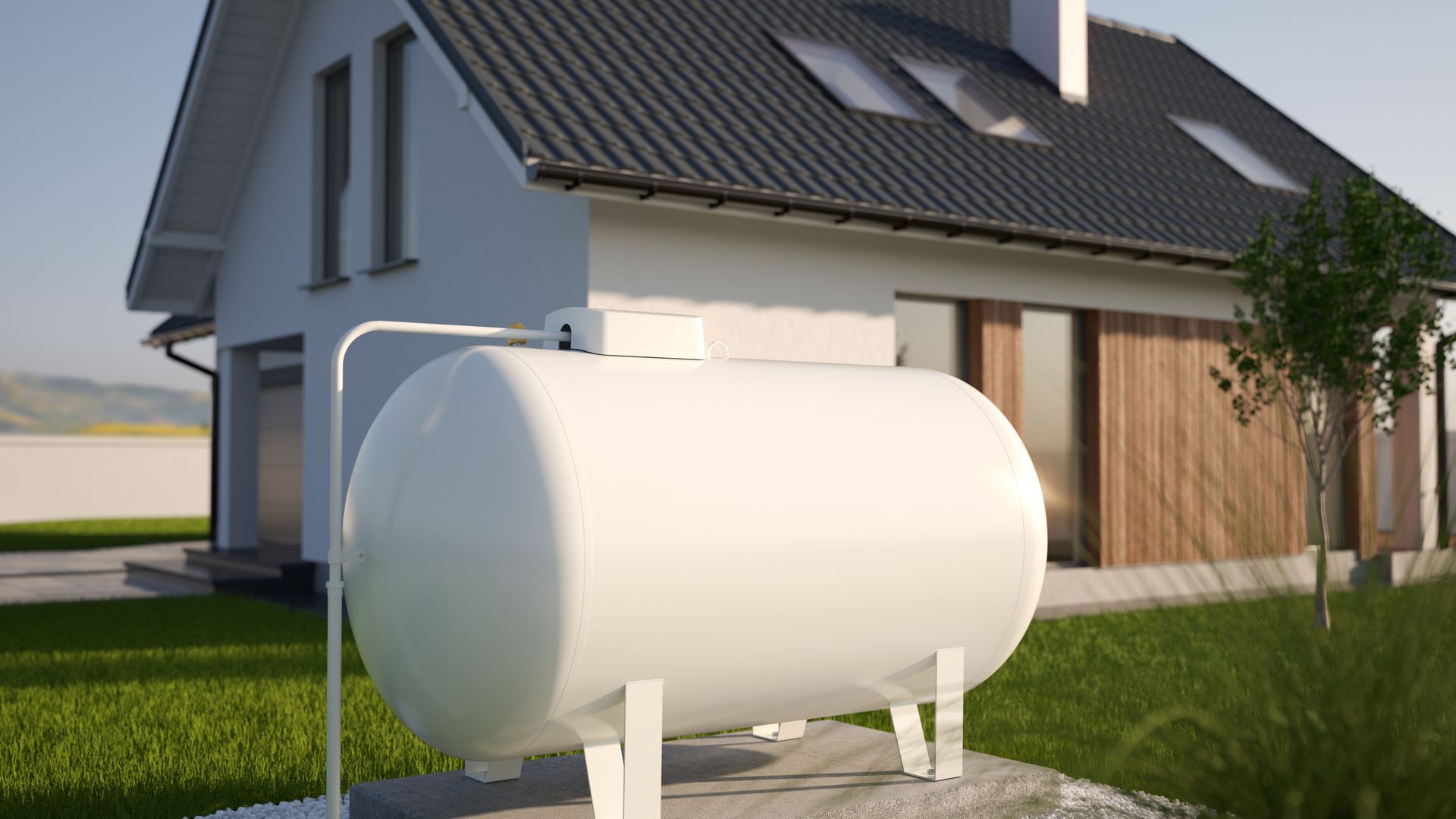
Choosing the right propane tank size can make the difference between a comfortable winter and an unexpected fuel shortage. Understanding propane tank installation basics is the first step to getting it right. Many homeowners in Camp Hill, PA, and surrounding areas like Lemoyne, New Cumberland, and Mechanicsburg are switching to propane or upgrading older systems. Whether you heat your whole home, power a standby generator, or want a reliable cooking fuel source, the tank you choose needs to match your actual usage. This guide covers common residential tank sizes, what each one is best suited for, and the placement rules that apply in
Pennsylvania.
Common Residential Propane Tank Sizes
Residential propane tanks generally come in four sizes: 100, 250, 500, and 1,000 gallons. Picking the right one up front saves money and prevents running low during the coldest months.
100-Gallon Tanks
A 100-gallon tank is the smallest permanent residential option, best suited for single-appliance use such as a gas fireplace, kitchen range, or clothes dryer. It is not suited for whole-home heating in Central Pennsylvania, where winters can be long and demanding.
250-Gallon Tanks
A 250-gallon tank works well for small homes between roughly 1,000 and 1,500 square feet that rely on propane for two or three appliances, such as a water heater and cooking range. This size may also suit seasonal or vacation homes that do not need consistent year-round heating.
500-Gallon Tanks
The 500-gallon tank is the most popular residential size for whole-home heating in South Central Pennsylvania. Homes between 1,500 and 2,500 square feet typically do well with this size, especially when combined with a water heater and one or two other gas appliances.
1,000-Gallon Tanks
A 1,000-gallon tank makes sense for larger homes over 2,500 square feet, properties with high fuel demand, or households that want fewer deliveries each year. If you run whole-home heat, a pool heater, a standby generator, and cooking appliances all on propane, this is often the most practical option.
Above-Ground vs. Underground Propane Tanks
Above-ground tanks cost less to install and are easier to inspect and service, though they are visible on your property. Underground tanks are buried with only the dome visible, preserving yard space and blending into the landscape. Underground installation involves more labor and upfront cost, but many homeowners find the trade-off worthwhile. Either way, your tank must sit on a stable, level base in accordance with installation standards.
Pennsylvania Setback and Permit Basics for Cumberland County Homeowners
Pennsylvania state regulations give the Department of Labor and Industry sole authority to regulate the liquefied petroleum gas industry. Municipalities may not prohibit placement of propane containers except to require an absolute setback of 10 feet from a property line.
Under NFPA 58, a 500-gallon above-ground tank must be set back at least 10 feet from any building or structure, any property line, and any ignition source such as an air conditioner condenser, electric meter, or gas meter. For underground residential tanks, the standard setback is 10 feet from buildings and property lines regardless of size.
A permit application to the Department is required before propane tank installation for any tank exceeding 2,000 gallons. For standard residential tanks under that threshold, your licensed propane technician typically handles the required documentation. Always confirm permit requirements with your installer before work begins.
Matching Tank Size to Your Actual Usage
The right tank size depends on how you use propane in your home.
- For cooking and supplemental appliances only, a 100- to 250-gallon tank may be sufficient.
- For whole-home heating in a mid-sized Camp Hill home, a 500-gallon tank is typically the most efficient choice.
- For large homes or high-demand properties in Cumberland County, a 1,000-gallon tank reduces delivery frequency and provides greater peace of mind.
- For standby generators, tank size depends on generator BTU demand and how long you need backup power.
Your propane technician can review your home's square footage, appliance load, and annual fuel usage to recommend the right size.
What Size Propane Tank Do I Need for Whole-Home Heat in Pennsylvania?
Most homes in Central Pennsylvania that rely entirely on propane for heat do well with a 500-gallon tank. Larger homes or those with additional propane appliances may need a 1,000-gallon tank. Your installer can calculate estimated annual usage based on your home's size and insulation level.
Can I Switch from an Above-Ground to an Underground Tank?
Yes, but switching requires additional excavation, permitting, and labor. A licensed propane technician can assess whether your property's soil conditions and layout support an underground installation.
How Often Will My Propane Tank Need to Be Refilled?
Delivery frequency depends on tank size, appliance load, and winter severity. A 500-gallon tank used for whole-home heating in a typical Central Pennsylvania winter may need refilling two to four times per season. Automatic delivery programs can monitor usage and schedule refills before you run low.
Do I Need a Permit for Propane Tank Installation in Cumberland County, PA?
For most standard residential tanks under 2,000 gallons, your licensed installer handles the necessary documentation. Pennsylvania state regulations govern propane installations consistently across Cumberland County. Always confirm what paperwork is needed before installation day.
Ready to Get Started With the Right Propane Setup?
Matching your tank to your real-world needs saves money and stress over the long term, whether you are heating a modest rancher near Lemoyne or a larger property outside New Cumberland.
Edris Oil Service, Inc. serves Camp Hill, PA, and the surrounding Cumberland County communities with propane tank installation and fuel delivery. Learn more about propane tank installation in Camp Hill, PA, or contact the team to request a quote. You can also call 717-848-5001 to speak with someone directly.



